
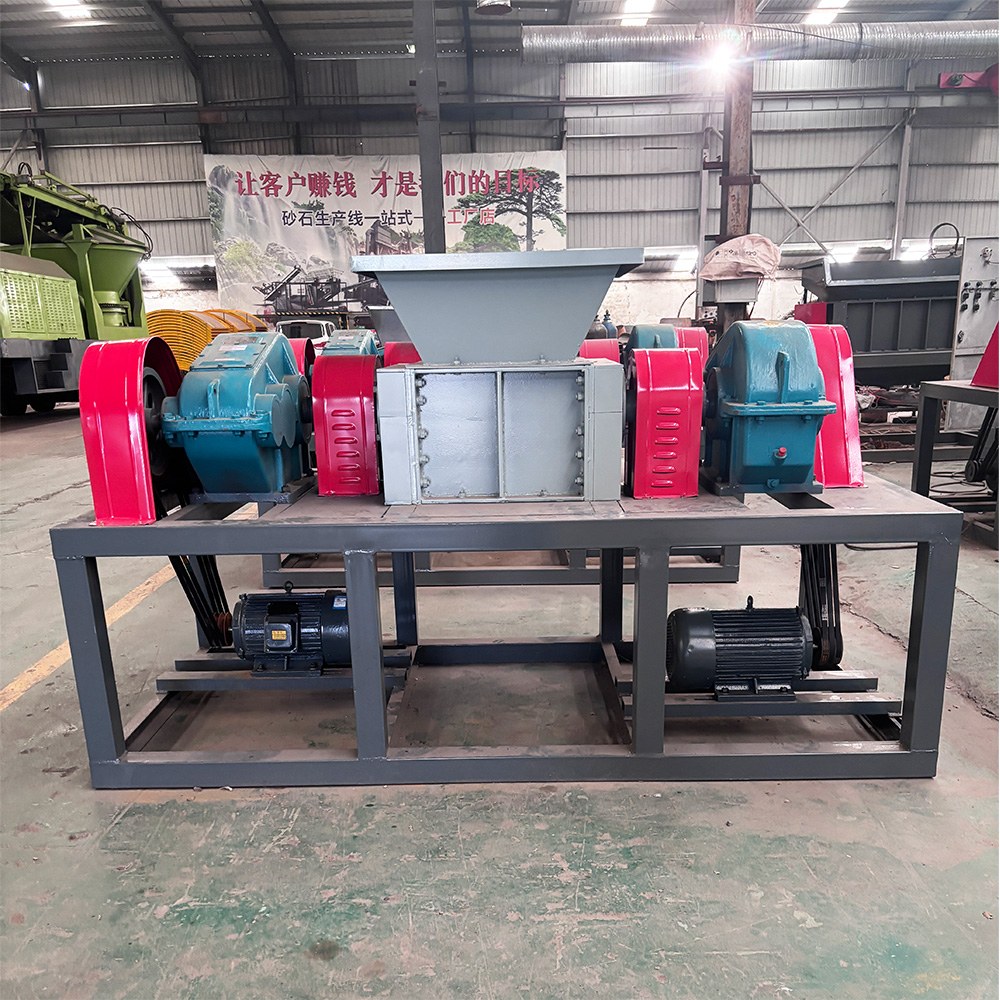
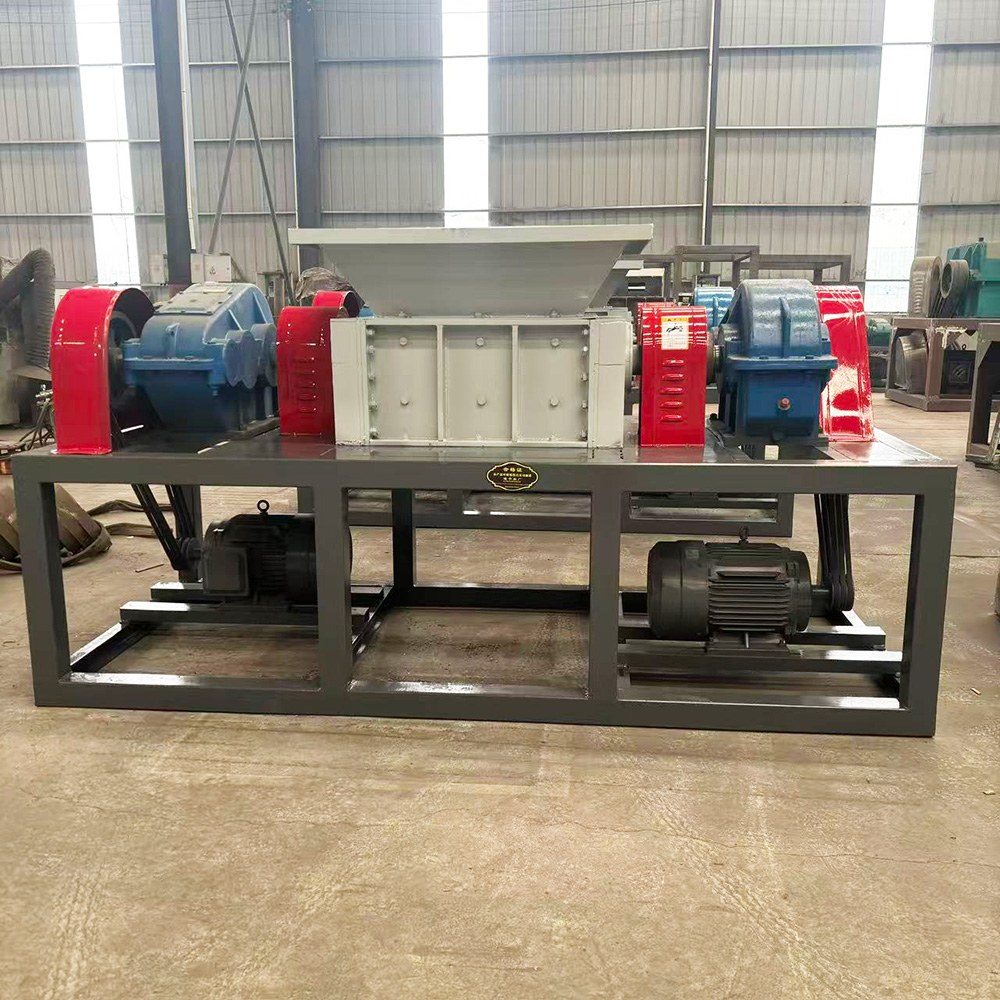
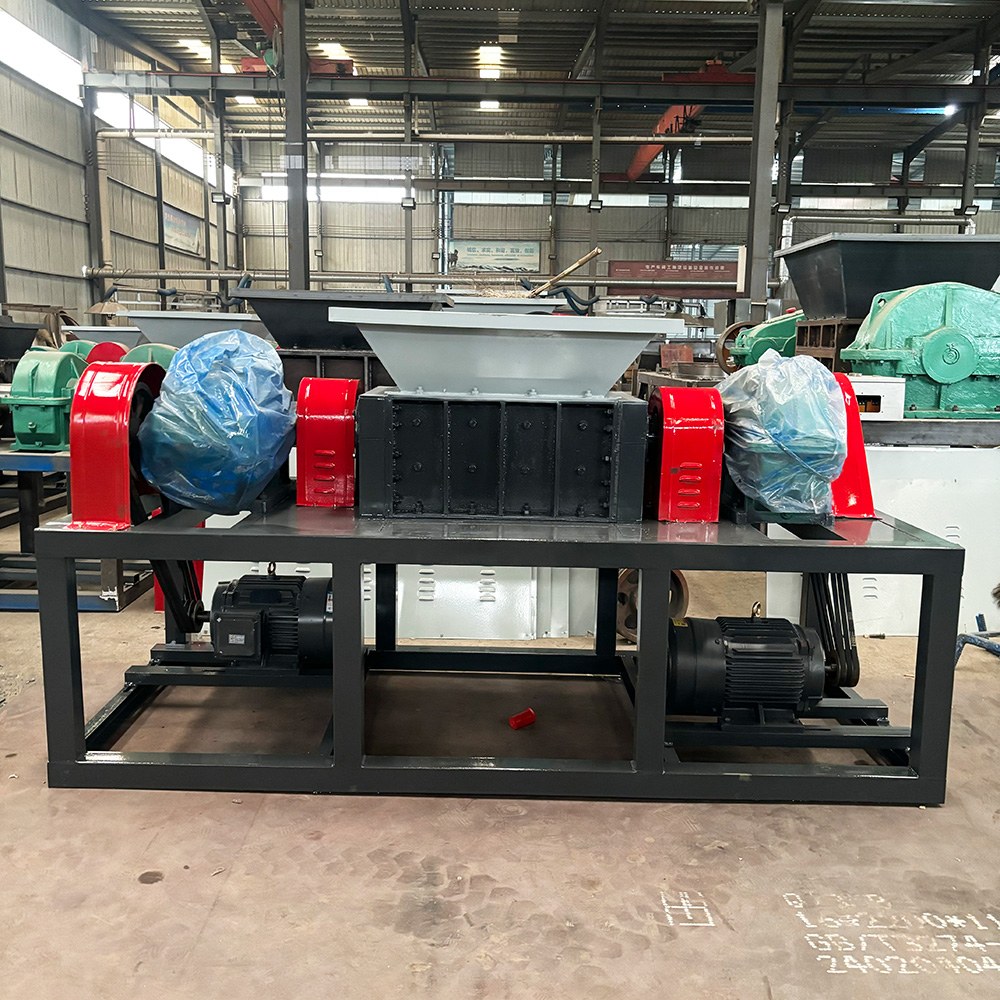
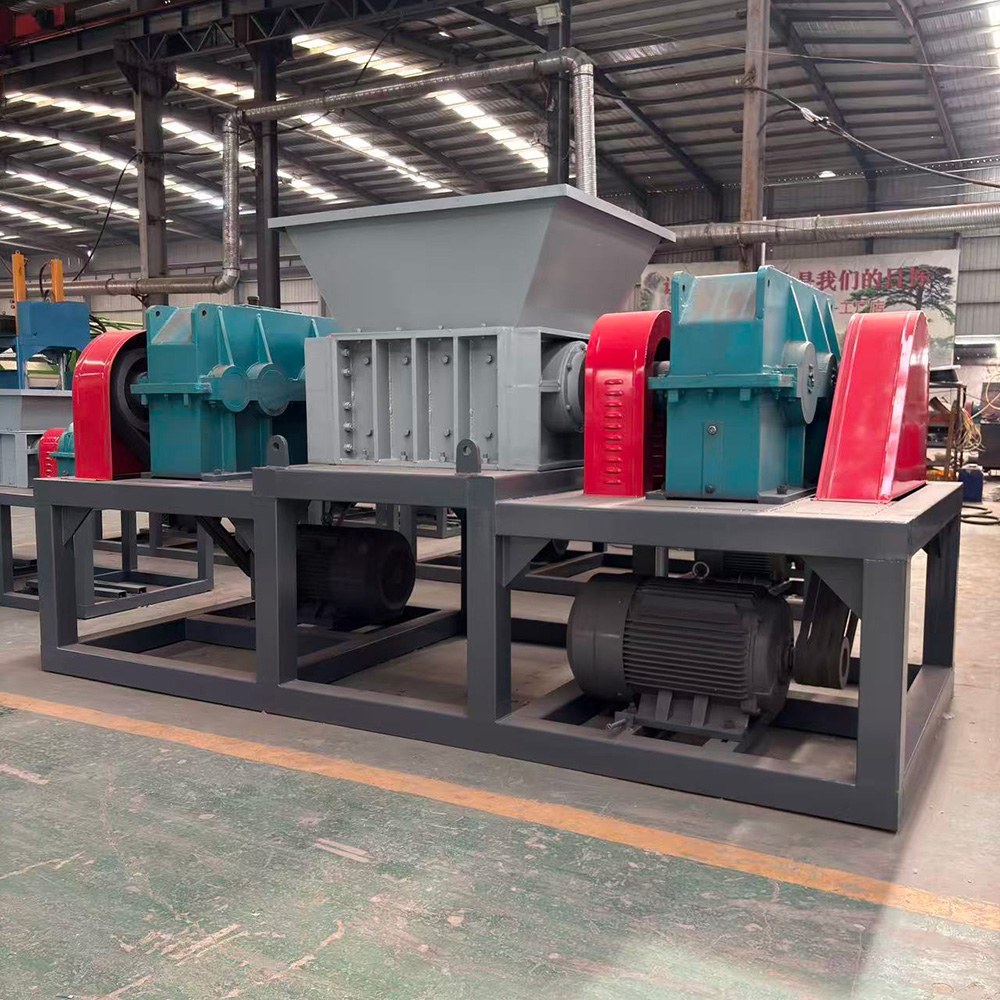
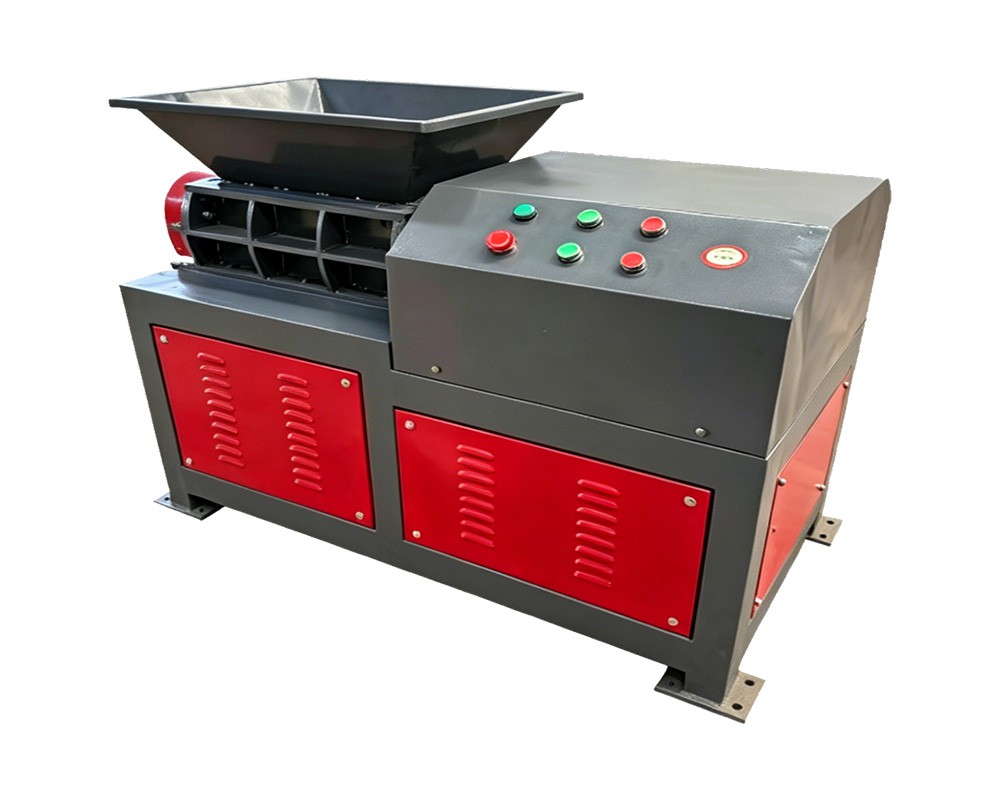
Sizing a double-shaft shredder by chamber, not by model number
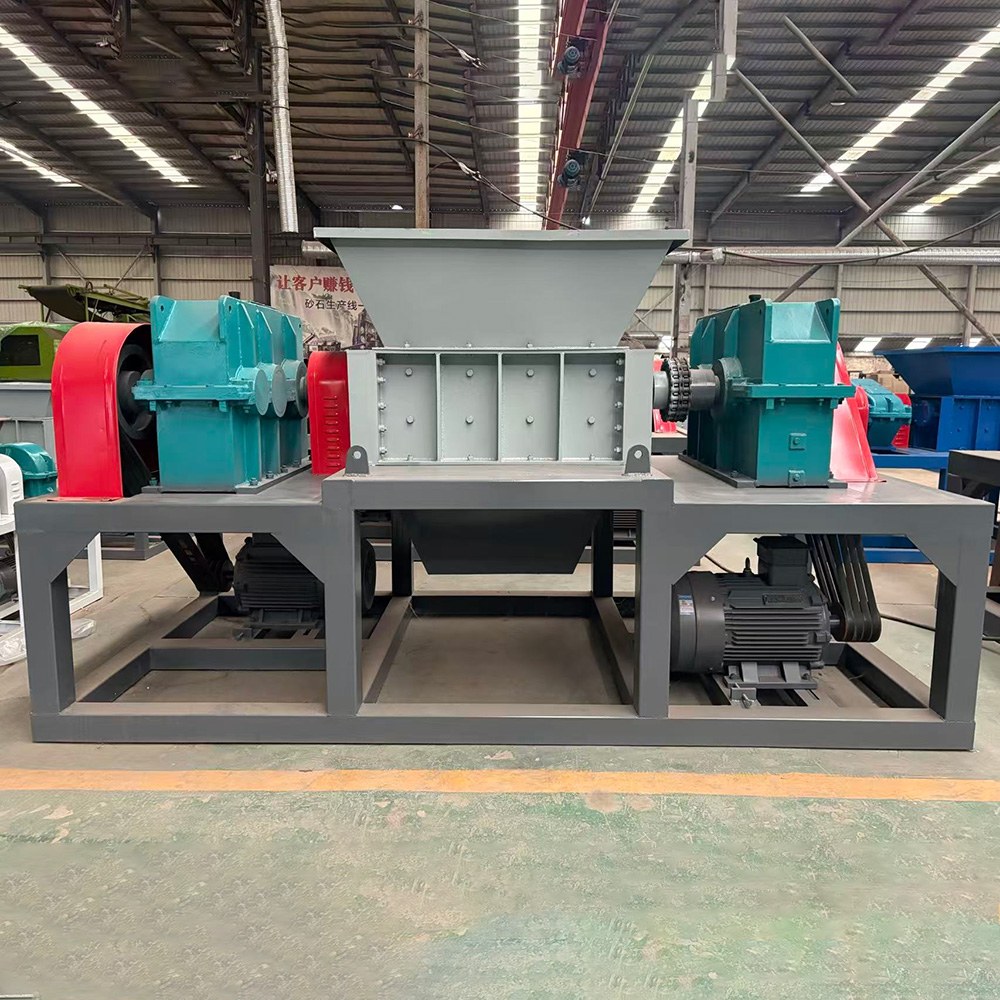
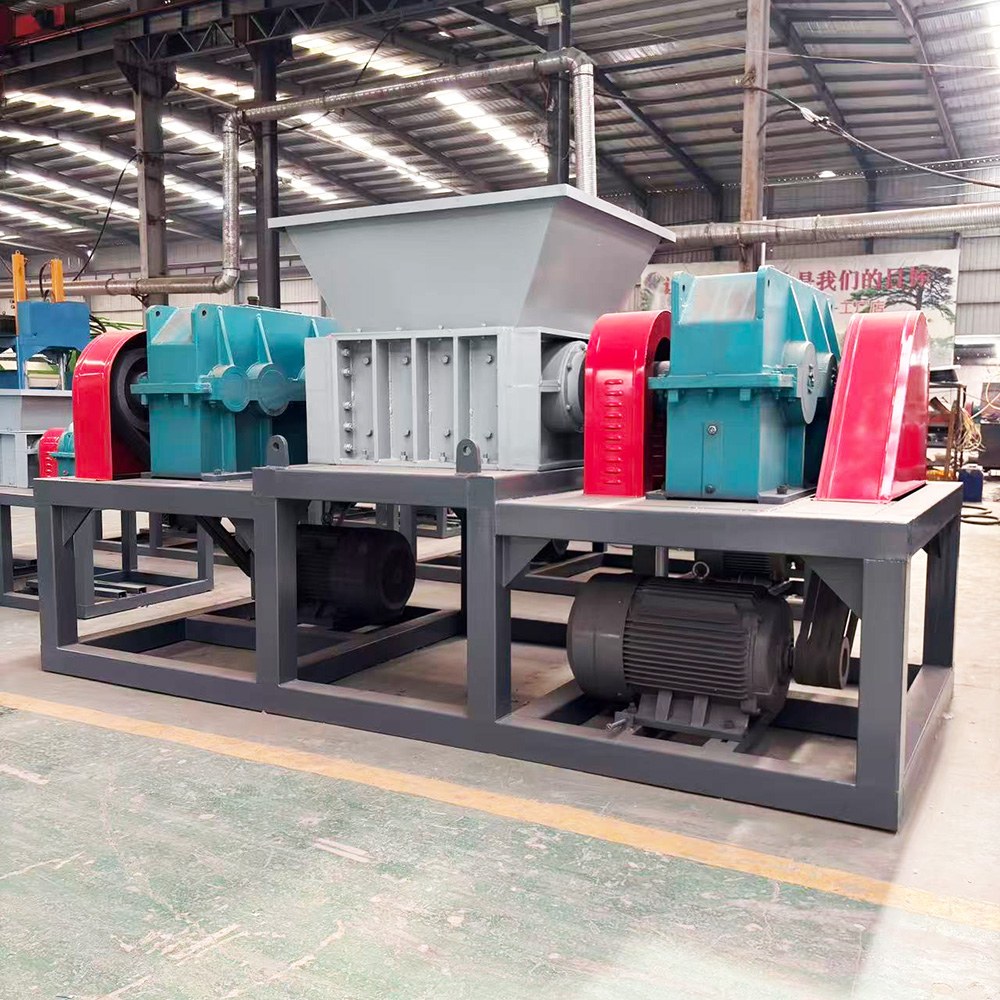
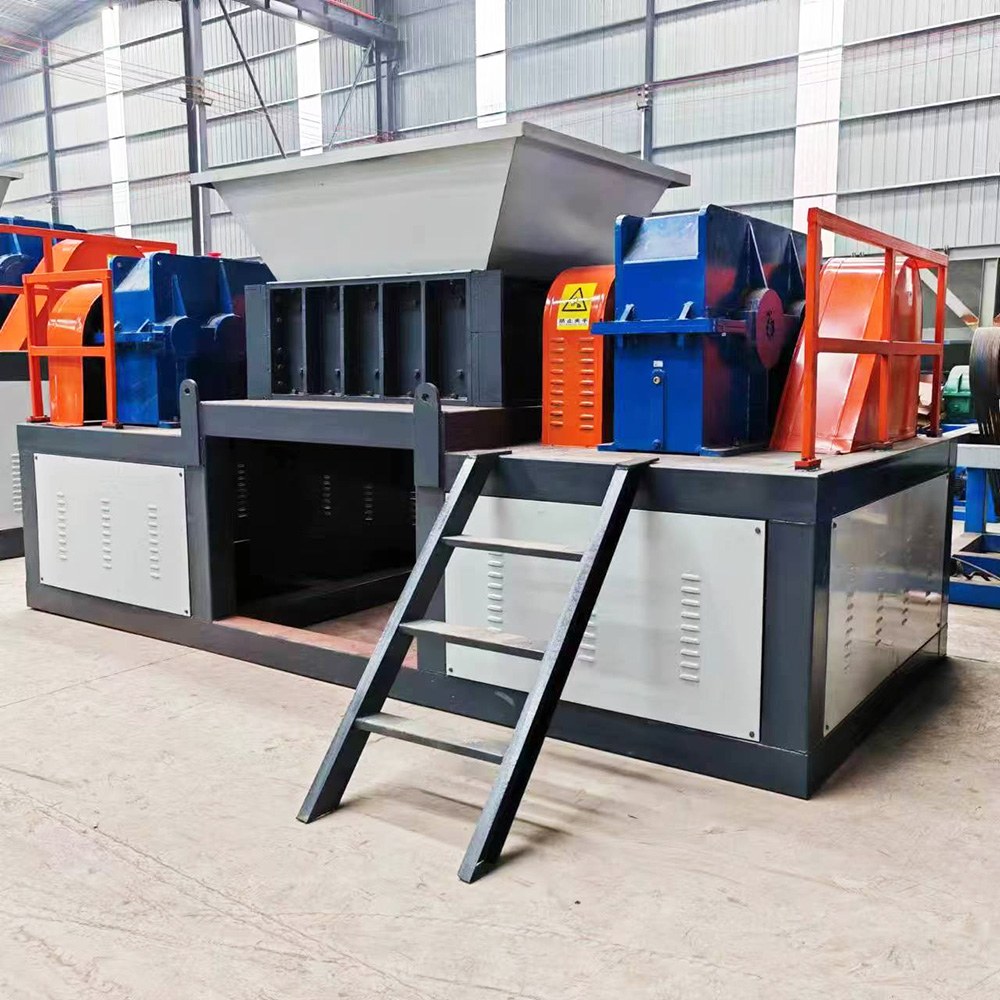
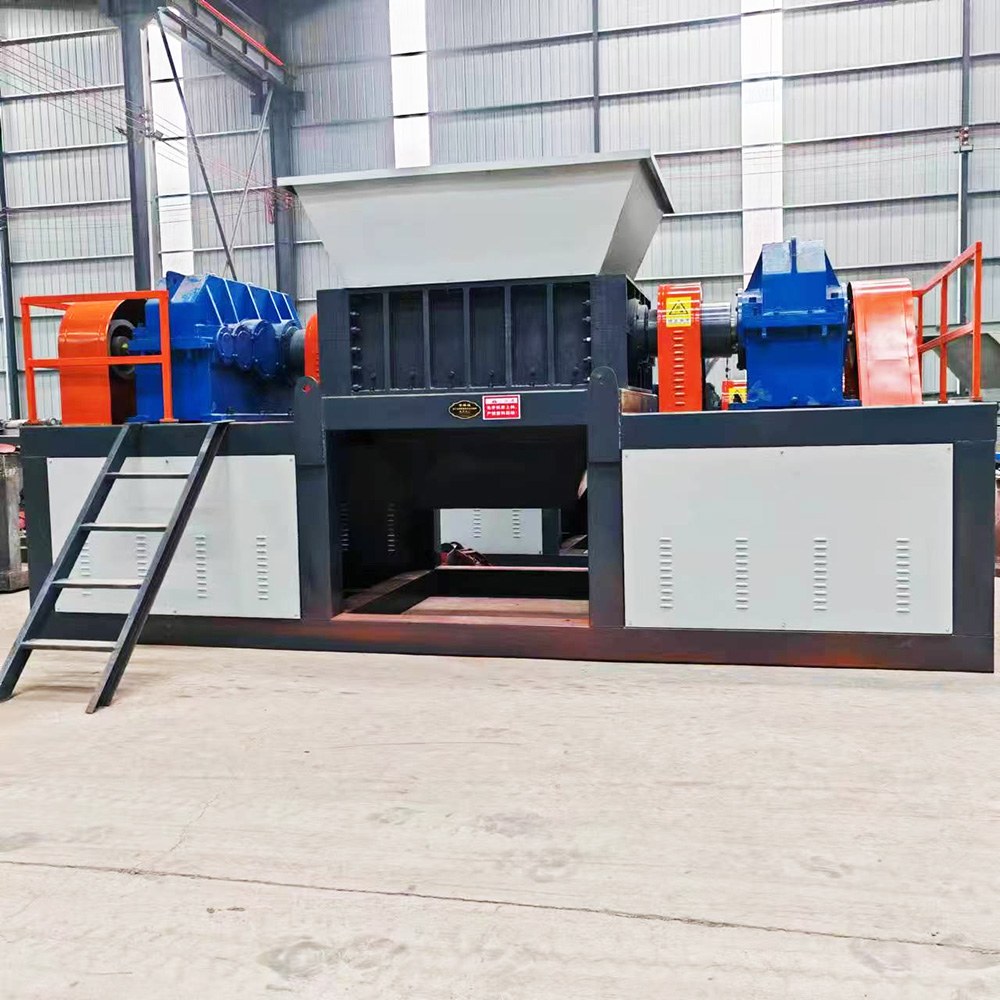
The model numbers on this page refer to chamber width, not to capacity. Two machines with the same width can differ in blade diameter, drive arrangement and therefore in what they will accept — which is why the range includes pairs such as the Model 800 with a 316 mm blade and the same chamber with a 400 mm blade. The larger blade takes a bigger bite and tolerates bulkier feed, at the cost of torque at the shaft.
All units are low-speed, high-torque, twin-rotor machines. Material is drawn in and sheared between interlocking blades rather than being struck by a hammer, so the output is a coarse, fairly uniform chip instead of a mix of fines and oversize. That is the behaviour you want ahead of a granulator or a separation stage.
The four numbers that decide the machine
- Chamber size — the opening the feed must pass through. Oversized items either bridge across the rotors or stall the drive.
- Blade diameter — larger diameters accept bulkier material and give a coarser chip; smaller diameters give a finer, more controlled output.
- Drive power — the figure that determines whether the machine keeps turning under load. Density matters more than volume here: a pallet of foam and a block of solid plastic occupy the same space and demand very different torque.
- Start arrangement — larger models use star-delta soft start so the machine does not draw full current on a loaded start.
Where shredders are used as the first stage
Mixed industrial waste, plastic purgings and lumps, wood pallets and crates, cable bundles, and general commercial refuse. In every case the shredder's job is to produce a feed that the next machine can meter evenly. If the output varies from dust to half-metre chunks, the machine after it will run badly no matter how well it is set.
Frequently asked questions
Will a shredder handle a whole engine block?
No. Twin-shaft shredders cut and shear; they do not crush dense castings. Solid metal items should be separated before the shredder, and the chamber should be protected from them.
How often do blades need attention?
It depends on abrasive content. Blades are reversible and can be re-sharpened; on clean plastic and cable the interval is long, on material with grit or glass it is much shorter. Keeping a spare set on site avoids a stoppage.
Can the output size be changed?
Yes, up to a point. A screen or comb under the rotors sets the upper limit, and blade configuration affects the chip shape. Changing the screen is a practical adjustment; changing the blade set is a workshop job.